The following question was submitted for discussion on this week's blog post, "Are gluten-free products healthier than "standard" products and effective in weight loss?"
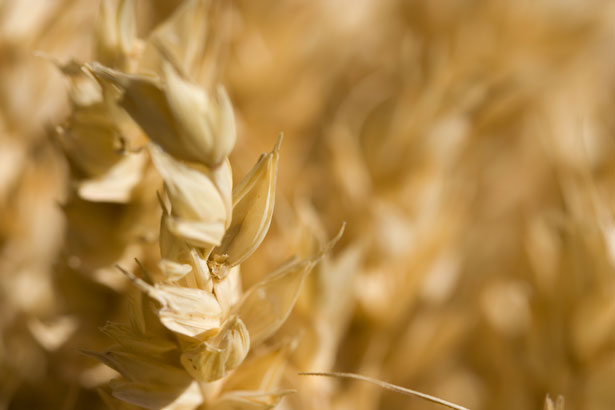
Gluten is a protein found in many grains such as wheat, rye, and barley that even in small amounts, can cause an autoimmune response in the gastrointestinal tract for those with these conditions. According to a Packaged Facts study, 46% of the people who purchased gluten-free products did so because they thought they were healthier. The percent of people from the same study who bought gluten-free foods thinking that they would manage their weight by doing so is a surprising 30%. These alarming statistics are the reason why I chose to answer this question for discussion.
If you are one of the estimated 1% of the population diagnosed with celiac disease or have a gluten intolerance - I would answer, that you should choose these products from time to time so you are able to enjoy many more foods without the digestive distress and long-term health problems but following a "natural gluten-free diet" is probably more nutritionally sound. A "natural gluten-free diet" means eating few fast and processed foods (more fruits & veggies).
They are not necessarily healthier (which I will explain shortly) and they are not "weight control" products. However if you do not have those aforementioned medical conditions you should opt for them and may have to supplement some of nutrients that you may be missing out on by using these products.
Gluten free products tend to be higher in calories, sugar, and fat, therefore using these products are not effective in weight loss. Manufacturers aiming for a delicious wheat-free cereal or bread often rely on fat to replace gluten. Additionally, gluten free foods are not usually fortified with B vitamins and iron so people using them need to be mindful of getting these "missing nutrients" from other sources or supplementation.
If you suspect you may have a gluten intolerance or celiac disease, please see your doctor for a blood test (or internal biopsy). Keep in mind, for an accurate test, do not avoid gluten free foods prior to the test.
Bottom line, you may read about celebrities adapting a gluten free diet, but unless you have either celiac or gluten intolerance -- this "diet" is merely a fad that you should pass on.