Showing posts with label equal. Show all posts

Friday, February 18, 2011

Question of the week: The Sweet N' Low-Down on Artificial Sweeteners?

The following question was submitted by one of my readers for discussion on the blog, "I have diabetes and am wondering about whether stevia is safe for me to use.  Could you let me know which sweeteners will not have an effect on my blood sugar and if stevia is ok for me to use?"

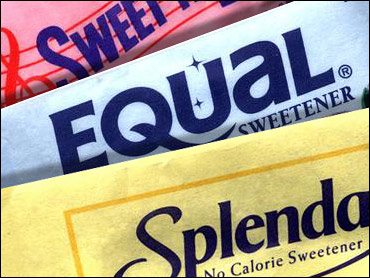
Stevia (also marketed as "Truvia") is just one of many artificial sweeteners on the market today.  Splenda, NutraSweet, and Sweet N Low, are other sugar substitutes used in the same way as Stevia and all have been approved for consumption by the FDA. These sweeteners in particular have little to no calories and carbohydrate so the effect on your blood sugar will be minimal, if at all.  As with anything, use in moderation - as the products that these substances are found in are usually less than optimal (i.e. diet soda, snacks).

Stevia comes from a South American plant and it is the leaves that contains compounds that give it sweetness.  The Stevia leaves have been described as 10 - 15 times sweeter than sugar so you don't need much to get the sweetening effect.  The refined extracts of Stevia called steviosides (a white powder) claim to be 200-300 times sweeter than table sugar which may be too strong for certain people. Some feel that the product has a slight aftertaste.  Again, Stevia is okay for use, however I would suggest only in moderation.


Each of the artificial sweeteners is produced differently so they will all have different properties in relation to cooking.  Check with the manufacturer's website to see which artificial sweeteners are appropriate to cook with, bake with, or just use in beverages.

Thursday, February 18, 2010

Which sugar substitute is the best for diabetics to use daily or to use for baking?

There are many different sugar substitutes available for purchase today. Artificial weeteners such as Equal, Splenda, and Stevia have been approved as safe to use by the FDA. These sweeteners only contain very little calories or carbohydrate and can be used in moderation daily.

Diabetics may use artificial sweeteners because they make food taste sweet without raising their blood sugar levels. However, other ingredients (carbohydrates or proteins) in foods containing artificial sweeteners can still affect your blood sugar level.

Some foods labeled "sugar-free" — may contain sweeteners, such as sorbitol, mannitol, or xylitol, which are not completely calorie free and may affect one's blood sugar level. It is important to be cautious when using sugar alcohols as they may increase your blood sugar level and for some people, cause diarrhea.


Some sugar-free baked products (such as cookies or cakes) may also contain flour or other ingredients, which will raise blood sugar levels.

Each of these artificial sweeteners have different properties and all may not be suitable to cook or bake with.

Splenda (aka sucralose)sells various varieties for baking including a granular version that measures cup for cup with sugar.


Stevia (which is marketed as Truvia, PureVia, SweetLeaf, Stevia in the Raw, Sun Crystals sugar-stevia blend). Each stevia brand recommends its own sugar-to-stevia ratio (so check the brand’s Web site. Some stevia brands also sell the sweetener in liquid or bulk form.


Aspartame (Equal, NutraSweet, Natra Taste) is not recommended to bake or cook with as high temperatures may diminish its sweetness.


Blue Agave Nectar is now widely available in stores (i.e. Trader Joe's, Whole Foods) and marketed under such brand names as Wholesome Sweeteners, Madhava, and Volcanic Nectar. Agave Nectar is sweeter than sugar so one must use between 1/4 and an 1/8 less than less than if one was to use regular sugar. Unlike the artificial sweeteners previously mentioned, agave nectar is not carbohydrate-free or calorie-free. It has the same amount of calories and carbohydrates as sugar however it is a food with a low glycemic index so the syrup won't raise one's blood sugar levels as much as sugar or honey would. In addition, since Agave is sweeter than sugar, you are more likely to a smaller amount.

Agave nectar can be used to bake, however recipes must be adjusted. For every 1 cup of sugar should be replaced with 2/3 - 3/4 cup of agave nectar. In addition, you must reduce all other liquids in the recipe by a 1/4 cup. The oven temperature must be lowered by 25 degrees to prevent burning, and shorten the cooking time on cookies by 3 to 5 minutes and cakes by 7 to 10 minutes.